Microwave Cooking for One by Marie T SmithShopping for Microwave Safe Dinnerware
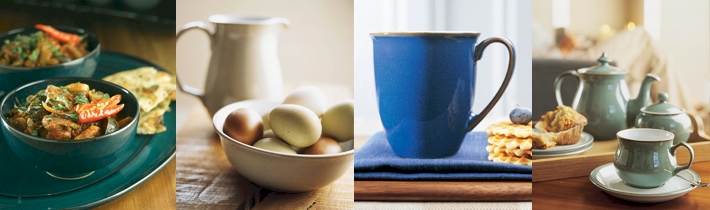
Denby StonewareDenby has been making the highest quality dishes for almost 200 years and they are lead and cadmium free! High firing vitrifies the stoneware, making it durable and chip resistant. Glazes will not craze or crack and cannot absorb foods or fluids, resulting in a very hygienic product. With Denby, you can drop the formalities when you get together with friends — just relax and enjoy yourselves. Distinctive designs and great colors help you create just the right atmosphere and it is so practical and durable that it really is hassle-free. Denby stoneware is safe for use in the oven, microwave, freezer, and dishwasher. Denby is dishwasher safe. This allows for easy care and effortless cleanup which is perfect for today's busy lifestyle. Denby recommends using low temperatures and liquid detergents in your dishwasher for all your Denby, including glassware. You can use your Denby for cooking in the oven and microwave, and for storing food in the freezer. It is not recommended for use on the range top. It is best to place Denby in a cold oven and pre-heat. All pottery and china can crack if exposed to sudden changes in temperature, no matter how strong it is. Please don't take items from the freezer and put them straight into the oven or microwave, or vice versa. Current Denby Patterns
History of DenbyDenby's history begins in 1806, when a seam of clay was found at Denby during the construction of a road to link the industrial towns of Derbyshire. William Bourne, a local entrepreneur, examined the clay and recognized its exceptional qualities. Production of salt-glazed pottery was started at Denby in 1809 and William gave the onerous task of running the business to his youngest son, Joseph. Known as 'Joseph Bourne' the pottery prospered and soon built up an international reputation for its quality bottles and jars. These bottles held anything from ink, polish and medicines to preserves and even ginger beer. Salt glazing was a popular method of decorating stoneware at this time. Common salt was thrown onto the kiln fires when the embers were at their hottest. The salt vapor combined with the surface of the pot to produce a shiny brown surface coating. Times were changing and in the late 1800's glass bottles became less expensive and replaced ceramic containers. Denby Pottery diversified by extending its kitchenware range and developed richly colored glazes which were to become Denby's trade mark. By the 1920's Denby's functional kitchenware (from pie dishes, jelly moulds and colanders to 'hot water bottles') could be found in many homes along with decorative vases, bowls and tobacco jars which were all stamped 'Danesby Ware'. This was the generic name given by Denby Pottery to all its decorative and giftware ranges. In the 1930's 'Electric Blue' (shiny blue) and 'Orient ware' (matt blue/brown) became classic giftware ranges and today are popular with collectors. Kitchenware became more colorful with Denby Cottage Blue, Denby Manor Green and Denby Homestead Brown — all of which remained popular until the early 1980's. Radical steps to change Denby's product range were taken in the 1950's when the pottery became predominantly a producer of tableware (ranges now included cups, saucers and plates). Denby continued to employ the best designers to ensure the transition was successful and this expertise produced such best sellers as Denby Greenwheat (1956), Denby Echo and Denby Ode (1960's), Denby Studio (1961) and Denby Arabesque (Denby Samarkand in the USA — 1964). The 1970's brought a revolution in 'oven-to-tableware' — Denby's striking designs and practicality alleviated the need for separate cooking dishes and more decorative plates for serving. Denby could withstand oven temperatures and Denby Gypsy (1971), Denby Troubadour (1971), Denby Cotswold (1973) and Denby Romany (1970's), all graced the 1970's table with flair. By the 1980's 'casual dining' became more popular and ranges such as Denby Imperial Blue and Denby Regency Green were able to fit into both formal entertaining and family gatherings. Denby continues to build on this proud heritage with their contemporary ranges such as Denby Juice, Denby Energy and Denby Reflex which reflect today's informal style. They owe much of their present success to the skills of earlier generations of craftsmen. Most importantly, Denby has not lost sight of the reasons for its popularity as generations have grown to expect leading designs combined with a tradition of quality and durability. If you would like to learn more about the history of Denby Pottery, check out: Denby Pottery 1809-1997 Dynasties and Designers by Irene and Gordon Hopwood. Caring for Your Denby StonewareDishwashers Ovens, Microwaves and Freezers Stacking |
|
|||||
|
|